
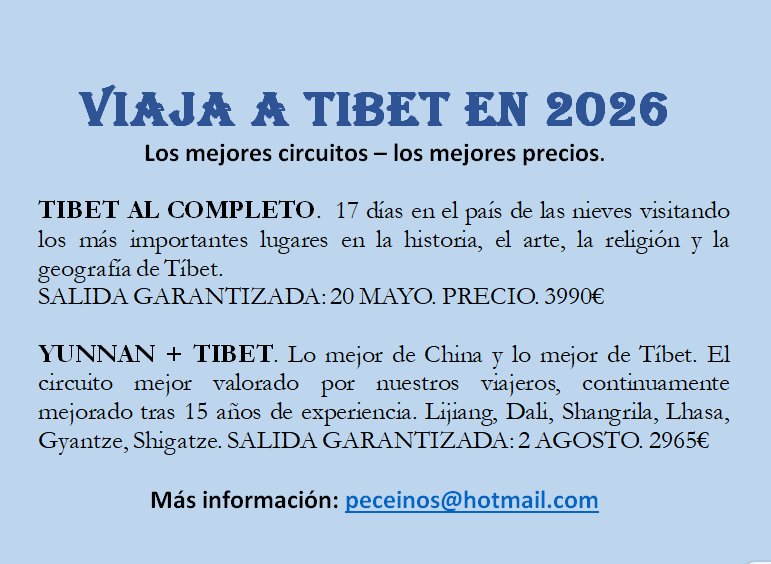
The Dong are one of the minorities of China with a large population. According to the census of the year 2000 their population was 3,000,000 people.
They live mainly in Guizhou Province (approximately 1,800,000 people), along a fringe of flat lands that cross the province from north to south. There is also a big Dong population in the southern part of neighboring Hunan Province (about 900,000), and more than 200,000 persons in Guangxi Zhuang Autonomous Region, and a few thousand in Hubei Province (Enshi Prefecture).
The Dong, as do most of the peoples related to them, live near the rivers or in hills generally not of great height. They mainly cultivate rice. They raise domestic animals, especially hens and pigs. The exploitation of the forests, which holds a special spiritual relationship with the Dong, is an activity of economic importance.
They refer to themselves as «Kam.»
It is generally considered that there are two quite different types of Dong, the Dong of the North and the Dong of the South.
There are important linguistic and cultural differences between them. In general those of the north have received more influences from mainstream Chinese culture, while those of the south better conserve the Dong traditions. The typical monuments of the Dong, such as Drum Towers, Bridges of Rain and Wind, and the Temples of the Goddess Mother Sama, are all characteristic of the Dong of the South.
Their language belongs to the Sino-Tibetan family, Dong Dai branch, Zhuang Dong sub-branch. It has two main dialects, understandably called the northern and southern dialects, whose speakers cannot understand each other easily. Each one of these dialects has in turn three clearly differentiated local sub-dialects.
After 1958 an alphabet was invented for their language, but it has not been widely used. Before 1958, they used Chinese characters adapted to their own language.
More posts on China ethnic groups

Los Reinos de Mujeres de Oriente
En China los reinos de mujeres son mencionados en numerosos documentos históricos, geográficos y folklóricos, descritos a veces con tal abundancia de detalles como para no poder ignorar estas noticias, achacando su creación únicamente a la imaginación humana. No hay...

Como un cambio en la escritura cambió la historia
Como un cambio en la escritura cambió la historia En la antigua China se cortaban las cabezas de otras personas por varias razones diferentes: a los enemigos capturados vivos como parte de un ritual destinado a proporcionar su poder al vencedor, durante la batalla...
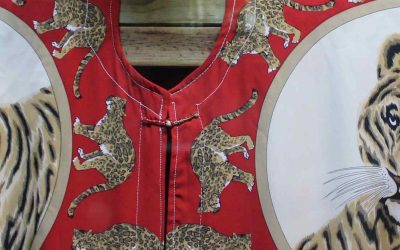
Leyenda de la diosa del Sol de los Jingpo
Estaba en el cielo la diosa del Sol cuando un día se dio cuenta de que en la tierra había cambiado mucho la situación de los hombres. Si cuando fueron creados todos eran iguales, y sin maldad, no codiciaban las riquezas, las últimas noticias contaban que cada vez...
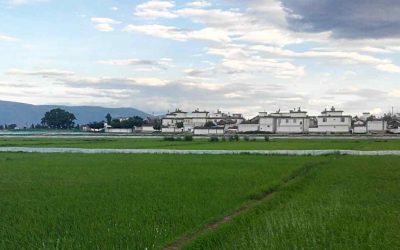
Los arrozales en Dali
viajarEl arroz es una de las características principales de la cultura china pero mucha gente no lo puede ver durante su viaje a China. En Yunnan es muy común en los valles, y solo se pueden ver algunas variedades de montaña en algunas regiones, por lo que el que esté...
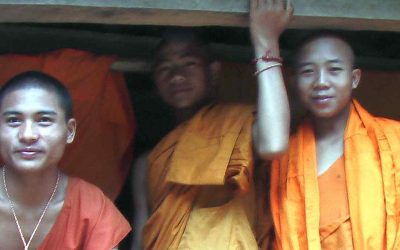
Rito de paso de los Bulang
La ceremonia de paso a la edad adulta de los Bulang también se llama "Pintarse los Dientes", pues esta actividad es el elemento más destacado de la misma. Una vez que tienen los dientes pintados se considera que ingresan en el grupo de personas de edad adulta,...
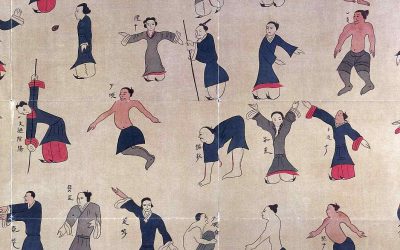
Los manuscritos médicos de Mawangdui
Entre 1972 y 1974 se descubrieron en Mawangdui, en las cercanías de Changsha, tres tumbas que han proporcionado una nueva visión de la vida e ideología en la China de hace 2000 años. Entre los tesoros desenterrados se encuentran objetos, pinturas, y sobre todo textos,...