
Chinese character 次 second, times
- second
- times, order
- inferior
- remain
- stand.
HSK – 2
STROKES – 6
RADICAL – 冫
Elements —- two 二 + open mouth 欠. Phonetic series 次.
This is two 二 breaths (or two sneezes) with an open mouth 欠, emphasizing the second one. Second > secondary > times > order > arrange > arrange hair (of woman). It is also the modern form of an OBC that showed a military encampment > place > remain > stand.
其次 qícì – next; second.
次序 cìxù – order, sequence (order + order)
Two breaths to mean second, for the second breath. First and second give the idea of counting > order. It also give the meaning of times, once, twice….
From second we have also the idea of something of second category, then inferior. Something of inferior category remains in a place, nobody want to take it. From remain > stand (a person who remains). Stand is rarely used but important to understand other characters of this family.
More posts on Chinese characters
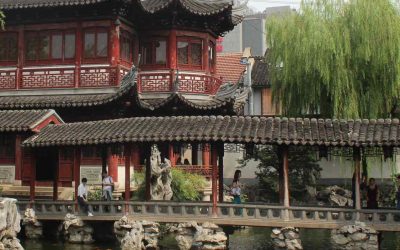
Yu garden in Shanghai: Archetype of Chinese garden
Pedro Ceinos Arcones. Yu garden in Shanghai: Archetype of Chinese garden. Dancing Dragons Books. 2019. (Excerpts from the book) The Yu Garden is Shanghai's main monument and the one that best summarizes the city's history over the past few centuries. A private garden...
El jardín Yu de Shanghai: arquetipo de jardín chino
Pedro Ceinos Arcones. El jardín Yu de Shanghai: arquetipo de jardín chino. Dancing Dragons Books. 2019. (Extractos del libro) El Jardín Yu es el principal monumento de Shanghai y el que mejor resume la historia de la ciudad durante los últimos siglos. Un jardín...
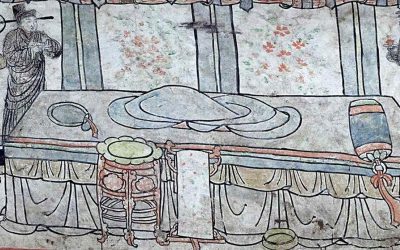
The dog in China’s ancient tombs
Pedro Ceinos Arcones. La Magia del perro en China y el mundo. Dancing Dragons Books. 2019. (Excerpts from the book) The dog in China’s ancient tombs In China, dogs buried with their owners have been discovered in archaeological sites belonging to the most important...
El perro en las tumbas antiguas de China
Pedro Ceinos Arcones. La Magia del perro en China y el mundo. Dancing Dragons Books. 2019. (Extractos del libro) El perro en las tumbas antiguas de China En China se han descubierto perros enterrados con sus dueños en yacimientos arqueológicos pertenecientes a las...
Escuelas filosóficas en tiempos de Buda
Peter Harvey. Buddhism: Teachings, History and Practices. Cambridge University Press. 2013. (Extractos de la p. 11 y ss) En su origen, el budismo fue un movimiento Samana. Los Samanas eran pensadores errantes "renunciantes" que se parecían a los primeros filósofos y...
Some philosophical schools in Buddha’s times
Peter Harvey. Buddhism: Teachings, History and Practices. Cambridge University Press. 2013. (Excerpts from the book. Page 11 and ff.) In its origin, Buddhism was a Samana-movement. Samanas were wandering ‘renunciant’ thinkers who were somewhat akin to the early Greek...