
Chinese character 次 second, times
- second
- times, order
- inferior
- remain
- stand.
HSK – 2
STROKES – 6
RADICAL – 冫
Elements —- two 二 + open mouth 欠. Phonetic series 次.
This is two 二 breaths (or two sneezes) with an open mouth 欠, emphasizing the second one. Second > secondary > times > order > arrange > arrange hair (of woman). It is also the modern form of an OBC that showed a military encampment > place > remain > stand.
其次 qícì – next; second.
次序 cìxù – order, sequence (order + order)
Two breaths to mean second, for the second breath. First and second give the idea of counting > order. It also give the meaning of times, once, twice….
From second we have also the idea of something of second category, then inferior. Something of inferior category remains in a place, nobody want to take it. From remain > stand (a person who remains). Stand is rarely used but important to understand other characters of this family.
More posts on Chinese characters
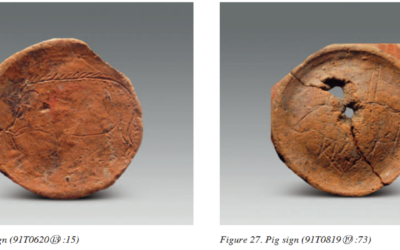
Los signos de Shuangdun y el origen de la escritura china
Los signos de Shuangdun y el origen de la escritura china Cuando se habla del origen de la escritura china, casi siempre se piensa en los huesos oraculares de la dinastía Shang. Sin embargo, miles de años antes de que esos caracteres fueran grabados sobre caparazones...

Zhangjiajie. El paisaje sublime de la película Avatar
Zhangjiajie. El paisaje sublime de la película Avatar Zhangjiajie es ahora uno de mis destinos favoritos en China. No sólo cuenta con algunos de los mejores paisajes de China, sino que en los últimos años ha seguido trabajando para convertir a estos lugares en...
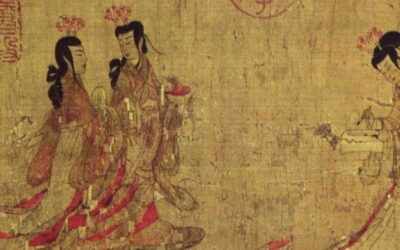
Los gecos y la “marca de la castidad” en la antigua China: historia, creencias y simbología
Los gecos y la “marca de la castidad” en la antigua China: historia, creencias y simbología ¿Sabías que en la China imperial se usaron salamanquesas —o gecos— como un método para comprobar la virginidad femenina?Esta sorprendente práctica, documentada durante más de...

Por qué hay que estudiar el suicidio en la cultura china
Por qué hay que estudiar el suicidio en la cultura china Mientras redactaba nuevos textos que formarán parte de mi Historia mínima de China, me aparecían suicidios en las más diversas circunstancias. Ministros y esposas que se enterraban voluntariamente para acompañar...
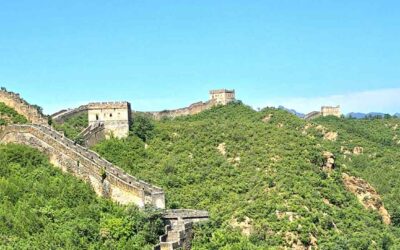
El verdadero origen de la Gran Muralla
El verdadero origen de la gran muralla. Algunas ideas expuestas por Nicola Di Cosmo (The Origins of the Great Wall. 1993) En términos generales, el discurso político sobre los extranjeros en la China preimperial tiende a justificar la expansión y la conquista, que es...

La Garganta del Salto del Tigre, una caída de 3.000 metros sobre el río Yangtzé
La Garganta del Salto del Tigre, una caída de 3.000 metros sobre el río Yangtzé El río Yangtzé es el más largo de China, y con sus 6.300 km es el tercero más largo del mundo. Es la arteria vital de China y desde su origen, en el altiplano tibetano, recorre con ciertos...