
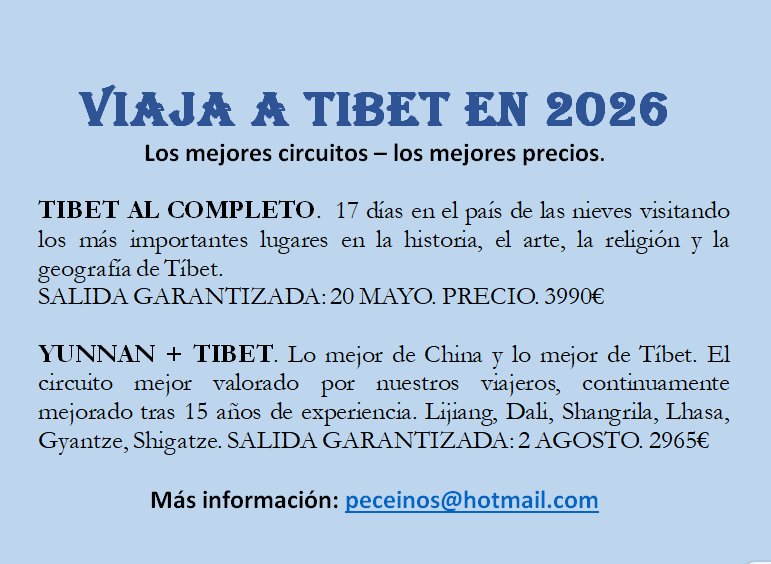
The Dong are one of the minorities of China with a large population. According to the census of the year 2000 their population was 3,000,000 people.
They live mainly in Guizhou Province (approximately 1,800,000 people), along a fringe of flat lands that cross the province from north to south. There is also a big Dong population in the southern part of neighboring Hunan Province (about 900,000), and more than 200,000 persons in Guangxi Zhuang Autonomous Region, and a few thousand in Hubei Province (Enshi Prefecture).
The Dong, as do most of the peoples related to them, live near the rivers or in hills generally not of great height. They mainly cultivate rice. They raise domestic animals, especially hens and pigs. The exploitation of the forests, which holds a special spiritual relationship with the Dong, is an activity of economic importance.
They refer to themselves as «Kam.»
It is generally considered that there are two quite different types of Dong, the Dong of the North and the Dong of the South.
There are important linguistic and cultural differences between them. In general those of the north have received more influences from mainstream Chinese culture, while those of the south better conserve the Dong traditions. The typical monuments of the Dong, such as Drum Towers, Bridges of Rain and Wind, and the Temples of the Goddess Mother Sama, are all characteristic of the Dong of the South.
Their language belongs to the Sino-Tibetan family, Dong Dai branch, Zhuang Dong sub-branch. It has two main dialects, understandably called the northern and southern dialects, whose speakers cannot understand each other easily. Each one of these dialects has in turn three clearly differentiated local sub-dialects.
After 1958 an alphabet was invented for their language, but it has not been widely used. Before 1958, they used Chinese characters adapted to their own language.
More posts on China ethnic groups
La leyenda de la abuela de la sal
Un mito de la minoría Wa de Yunnan, en China Hace mucho tiempo pasaron por esta zona dos hermanas de la minoría Dai de extraordinaria belleza. Ambas tenían un rostro muy atractivo y maneras agradables por lo que por donde pasaban había hombres que las pedían en...

Presentando a los Baima
Los Baima son un pueblo que vive en los distritos fronterizos de las provincias de Sichuan (Pingwu y Nanping) y Gansu (Wenxian). Son unos 10.000 habitantes que viven muy dispersos por esas regiones y mezclados con los Han. Donde están más concentrados es en la aldea...
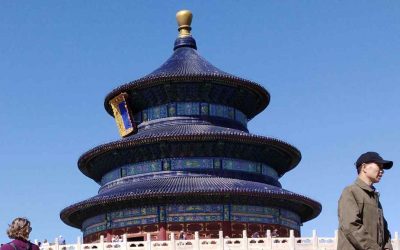
Te contamos todo lo que tienes que hacer en Beijing
Viajar a Beijing. Casi todo el que viaja a China viaja a Beijing. A continuación se puede ver la información básica para viajar a Beijing. ¿Qué ver? ¿Como verlo? ¿Por qué? Beijing, la capital de China es una ciudad enorme. Con casi 20 millones de habitantes y una...
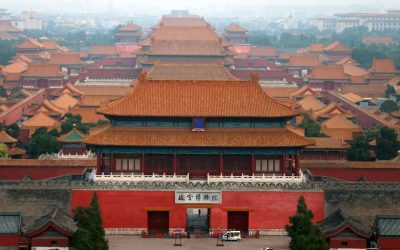
Historia de China
En realidad no existe una historia como tal. Toda historia es continuamente reinterpretada a la luz de las ideas preponderantes en el momento de la interpretación. De tal forma que la historia en general y la historia de China que nos concierne aquí, se convierte en...
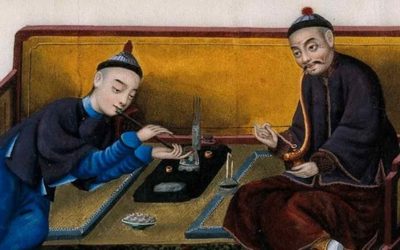
¿Quieres saber cómo el opio destrozó China? Aquí lo contamos
En realidad lo cuenta el misionero M. Pourias en el Yunnan del Siglo XIX. Hace un tiempo ya comentamos los recientes trabajos de Frank Dikotter y Zheng Yangwen que presentan una visión del opio como una droga no tan fuerte ni tan peligrosa como consideraban los...
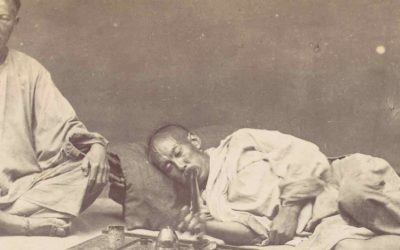
El opio en China: mito y realidad
El opio en China es el gran demonio, el causante de la decadencia nacional de la segunda mitad del siglo XIX y el siglo XX, símbolo de la dominación imperialista, y de una China débil, humillada y derrotada por otros países. El opio es a la vez el símbolo de la...