
Chinese character 次 second, times
- second
- times, order
- inferior
- remain
- stand.
HSK – 2
STROKES – 6
RADICAL – 冫
Elements —- two 二 + open mouth 欠. Phonetic series 次.
This is two 二 breaths (or two sneezes) with an open mouth 欠, emphasizing the second one. Second > secondary > times > order > arrange > arrange hair (of woman). It is also the modern form of an OBC that showed a military encampment > place > remain > stand.
其次 qícì – next; second.
次序 cìxù – order, sequence (order + order)
Two breaths to mean second, for the second breath. First and second give the idea of counting > order. It also give the meaning of times, once, twice….
From second we have also the idea of something of second category, then inferior. Something of inferior category remains in a place, nobody want to take it. From remain > stand (a person who remains). Stand is rarely used but important to understand other characters of this family.
More posts on Chinese characters
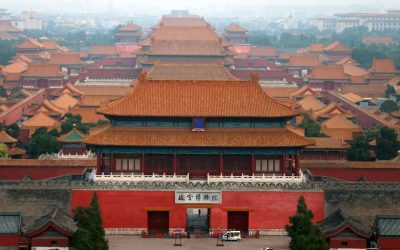
Historia de China
En realidad no existe una historia como tal. Toda historia es continuamente reinterpretada a la luz de las ideas preponderantes en el momento de la interpretación. De tal forma que la historia en general y la historia de China que nos concierne aquí, se convierte en...
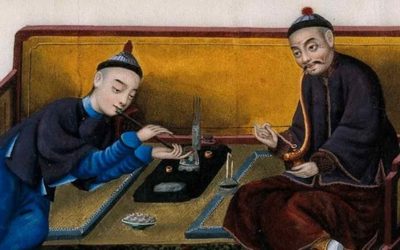
¿Quieres saber cómo el opio destrozó China? Aquí lo contamos
En realidad lo cuenta el misionero M. Pourias en el Yunnan del Siglo XIX. Hace un tiempo ya comentamos los recientes trabajos de Frank Dikotter y Zheng Yangwen que presentan una visión del opio como una droga no tan fuerte ni tan peligrosa como consideraban los...
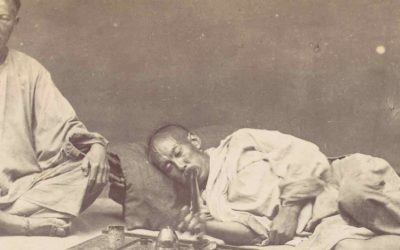
El opio en China: mito y realidad
El opio en China es el gran demonio, el causante de la decadencia nacional de la segunda mitad del siglo XIX y el siglo XX, símbolo de la dominación imperialista, y de una China débil, humillada y derrotada por otros países. El opio es a la vez el símbolo de la...
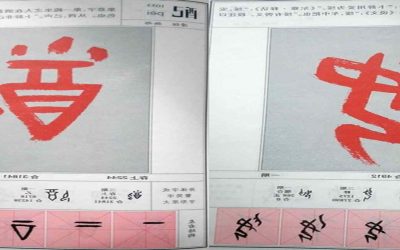
Diccionario de caligrafía de la escritura oracular
Ma Rushen. Diccionario de caligrafía de los Caracteres oraculares. Ediciones de la Universidad de Shanghai. 2012 Fruto de los largos años de dedicación del autor al estudio de los caracteres oraculares y la etimología de los caracteres chinos es este bello libro. Ma...

Sobrevivir al diluvio en el interior de un tambor
La minoría Naxi vive en el Noroeste de Yunnan. Ahora son muy famosos porque la mayoría de los viajes a Yunnan pasan por Lijiang, su hogar ancestral. Su mito fundamental, que se recita cada año cuando rinden homenaje al cielo comienza con la creación del mundo, y...

Los Baiyi de Quzuochong, una comunidad olvidada en el centro de Yunnan
En cualquier país que no fuera China, el descubrimiento en los últimos años del siglo veinte, de un pueblo indígena, formado por apenas 500 personas, diferente de cuantos pueblos le rodean, y que practica una religión única, con una serie de ritos y cultos totalmente...