
More posts on Chinese characters

Una teoría china de la evolución
En un principio toda la material era transparente, difusa y sin diferenciación. En ella habitaban los poderes duales sutiles, etéreos y eternos; siendo uno de ellos viril, cálido, radiante y activo y el otro femenino, frío, sombrío e inactivo. Los poderes recíprocos...
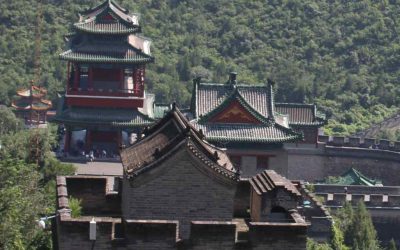
Las primeras murallas en China
Fragmento de Historia mínima de China. Pedro Ceinos Arcones. Miraguano, 2018. Desde el surgimiento del poder político basado en las primeras confederaciones de aldeas, los dirigentes chinos utilizaron de forma masiva la mano de obra para ir consiguiendo mejoras en la...
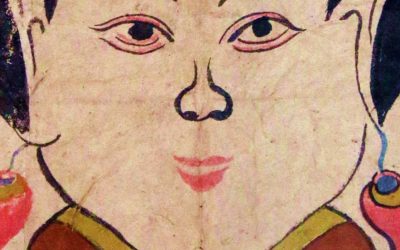
Legends of the Mother Goddess: Intro
From Leyendas de la Diosa Madre. Pedro Ceinos Arcones. Miraguano, 2007. Anyone who approaches the literature of the minorities of Southern China will discover numerous works where the leading role is played by a female goddess or deity. Whether dedicated to the...
Leyendas de la Diosa Madre: Introducción
Introduccion de Leyendas de la Diosa Madre. Pedro Ceinos Arcones. Miraguano, 2007. Cualquier persona que se acerque a las literaturas de las minorías del sur de China, descubrirá numerosas obras donde el papel protagonista lo desempeña una diosa o deidad femenina. Ya...
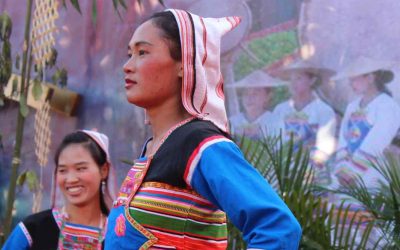
Casarse con una diosa en Yunnan (minoría Jinuo)
Pedro Ceinos Arcones. A La Sombra de la Diosa: Cultura y mitología matriarcal entre los Jinuo del Sur de China. Dancing Dragons Books. 2020. Los principales especialistas religiosos de la minoría Jino el bailabao, el mopei y el zhalai o herrero. Al hombre más viejo...
To marry a goddess in Yunnan (Jinuo nationality)
Pedro Ceinos-Arcones. China's last but one matriarchy: The Jino of Yunnan. 2018 Jinuos’ main religious specialists are bailabao, mopei and zhalai or Blacksmith. The oldest man of the main clan in the village is called zhuoba or mother of the village; the oldest of the...