
Now is the time to ask him something about Taoism, I decided, and I poured out my questions. He looked up at me with his innocent, childish eyes, his smile gentle but, I thought, slightly ironical.
‘Take time, observe and learn,’ he said simply. ‘Words spoken in haste will not stick; a cup of water splashed into a parched field will do it no good. It is only a slow and gentle rain that will saturate the soil and produce life.’ He became silent ready to resume his work.
His rebuke abashed me. I saw what he meant. He probably thought I was an idle tourist, or worse, a young writer, who wanted to learn something about Taoism in an hour or so, and then write a smart article, boasting of the mysteries revealed to him. Seeing my obvious confusion, the old man relented. His face was all smiles now, but his eyes became thoughtful.
‘If you want to learn about the Eternal Tao, do not be casual and in a hurry. Don’t glean too much from too many books, for each book is full of opinions, prejudices and corruptions.
Read only one book and only one—our Old Master’s Taoteking, and then try to understand it, not by juggling the words and meanings, but intuitively, through your heart and spirit. Don’t ask too many questions, but patiently watch what we Taoists do, and perceive the hidden motives of our actions, and not that which is only for display.
Do not be guided so much by your intellect as by faith, love and your heart, which is another name for understanding and compassion. What you need is wisdom, and not knowledge; for if one has wisdom, knowledge will come naturally. Always remember that the Eternal Tao is Infinite Wisdom, Infinite Love and Infinite Simplicity.’ And with this the old man took up his pickaxe and resumed his hoeing of the bush.
From: Peter Goullart. The monastery of Jade Mountain. 1961
More posts on Chinese culture

El lado oscuro de la dinastía Tang
,Muchos de los aficionados a la historia de China han pasado con horror por algunas escenas que, para la mentalidad del siglo XXI nos parecen especialmente cruentas, como son las descripciones de las últimas victorias del emperador Qin Shihuangti acabadas con el...
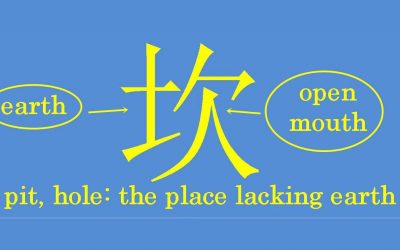
Chinese character 坎 kǎn – pit, hole
Chinese character 吹 chuī – cook 1. pit.2. hole. 3. bank (of a river). 4. ridge HSK - STROKES - RADICAL - 土 Elements ---- An open mouth (lacking) 欠 + earth 土 . Phonetic series 欠. A pictogram of a hole in the earth: the place lacking 欠 earth 土. 垄坎lǒngkǎn ridge...

Caracter chino 坎 kǎn – agujero, trampa
Caracter chino 坎 kǎn – agujero 1. agujero 2. trampa 3. orilla (de un río) HSK - TRAZOS - 7 RADICAL -土 Elementos ---- carecer 欠 + tierra 土. Serie fonética 欠. Pictograma de un agujero en la tierra: donde hay carencia 欠 de tierra 土.垄坎lǒngkǎn cresta entre los...
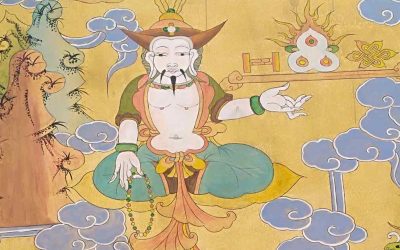
La Creación del Mundo entre los Naxi de Yunnan
La minoría Naxi vive en el Noroeste de Yunnan. Ahora son muy famosos porque la mayoría de los viajes a Yunnan pasan por Lijiang, su hogar ancestral. En los tiempos remotos el cielo y la tierra estaban en una continua agitación, los árboles podían andar, las piedras...

Razones para viajar a Lijiang
Lijiang es posiblemente la ciudad más interesante de Yunnan y de toda China. Capital secular de los Naxi, un pueblo de larga historia y sorprendente cultura, Lijiang es como un oasis entre el mundo chino y el mundo tibetano. Su situación fronteriza entre mundos y...

Cui Xizhen se encuentra con un inmortal
Cui Xizhen[1] se encuentra con un inmortal A principios del período Dalí del emperador Daizong de la dinastía Tang, vivía un hombre llamado Cui Xizhen en el oeste del condado de Zhongling. Era bueno tocando la cítara, tenía habilidad para pintar, y le gustaba cultivar...
More posts on China ethnic groups
El lado oscuro de la dinastía Tang
,Muchos de los aficionados a la historia de China han pasado con horror por algunas escenas que, para la mentalidad del siglo XXI nos parecen especialmente cruentas, como son las descripciones de las últimas victorias del emperador Qin Shihuangti acabadas con el...
Chinese character 坎 kǎn – pit, hole
Chinese character 吹 chuī – cook 1. pit.2. hole. 3. bank (of a river). 4. ridge HSK - STROKES - RADICAL - 土 Elements ---- An open mouth (lacking) 欠 + earth 土 . Phonetic series 欠. A pictogram of a hole in the earth: the place lacking 欠 earth 土. 垄坎lǒngkǎn ridge...
Caracter chino 坎 kǎn – agujero, trampa
Caracter chino 坎 kǎn – agujero 1. agujero 2. trampa 3. orilla (de un río) HSK - TRAZOS - 7 RADICAL -土 Elementos ---- carecer 欠 + tierra 土. Serie fonética 欠. Pictograma de un agujero en la tierra: donde hay carencia 欠 de tierra 土.垄坎lǒngkǎn cresta entre los...
La Creación del Mundo entre los Naxi de Yunnan
La minoría Naxi vive en el Noroeste de Yunnan. Ahora son muy famosos porque la mayoría de los viajes a Yunnan pasan por Lijiang, su hogar ancestral. En los tiempos remotos el cielo y la tierra estaban en una continua agitación, los árboles podían andar, las piedras...
Razones para viajar a Lijiang
Lijiang es posiblemente la ciudad más interesante de Yunnan y de toda China. Capital secular de los Naxi, un pueblo de larga historia y sorprendente cultura, Lijiang es como un oasis entre el mundo chino y el mundo tibetano. Su situación fronteriza entre mundos y...
Cui Xizhen se encuentra con un inmortal
Cui Xizhen[1] se encuentra con un inmortal A principios del período Dalí del emperador Daizong de la dinastía Tang, vivía un hombre llamado Cui Xizhen en el oeste del condado de Zhongling. Era bueno tocando la cítara, tenía habilidad para pintar, y le gustaba cultivar...